
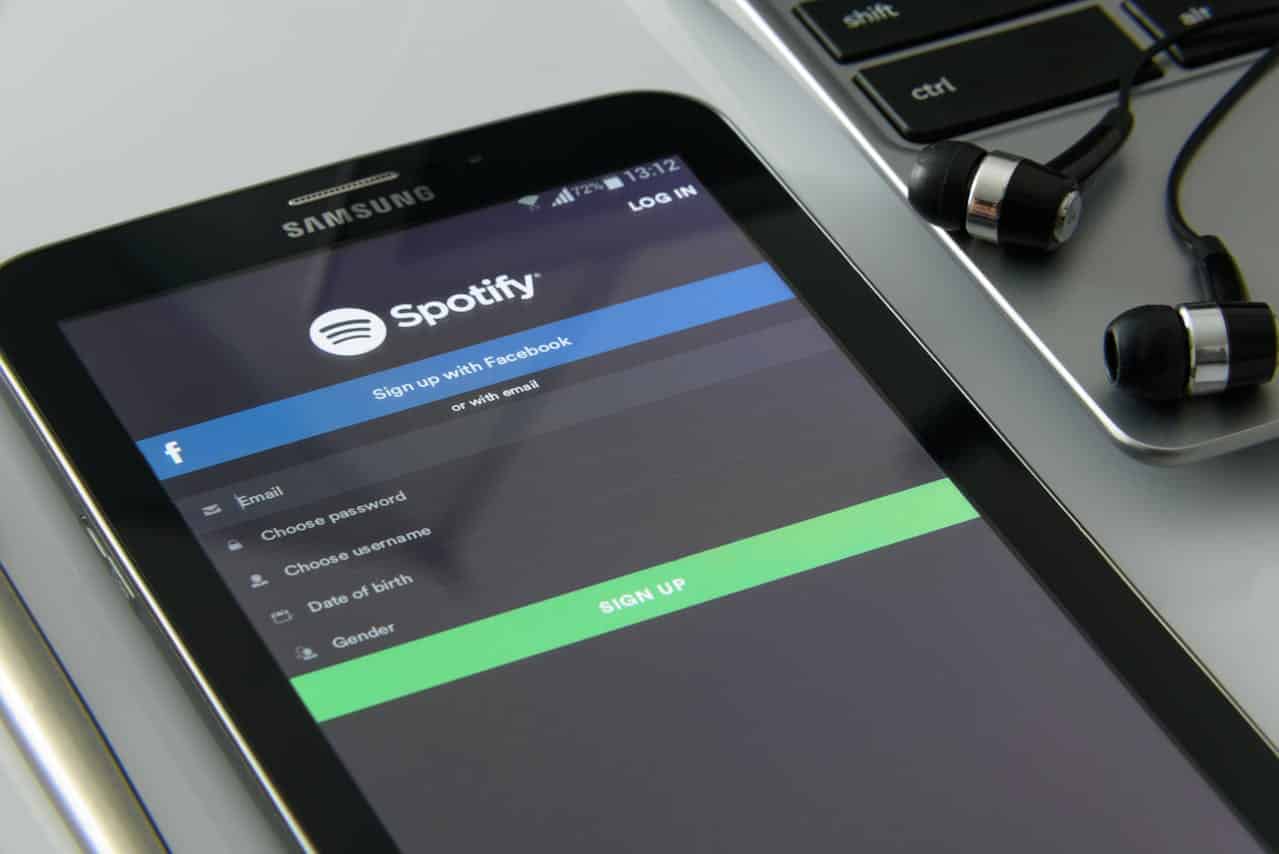
Spotify has had enough of the almost universal criticism of the revenue received by artists for streams of their music. Lily Allen has claimed she makes more from Only Fans subscribers (for photos of her feet) than streams of her back catalogue and Snoop Dogg has claimed that he only made $45k from 1 billion streams.
For clarity, artists generally receive $0.003-$0.005 per stream on Spotify, with cuts going to songwriters, record label execs, Spotify and others who worked on the song. So in theory 1 billion streams should generate $3 million of revenue.
Spotify said:
“… streaming services do not pay artists or songwriters directly. They pay rights holders, who in turn pay artists and songwriters based on their individual agreements. Once that revenue leaves a service like Spotify’s hands, how much money goes to artists and songwriters depends on their own contracts with their rightsholders.

“It’s a misconception that Spotify ‘doesn’t pay well’ – as we’ve proved time and time again. The $10B we paid out in 2024 and $60B all time is industry-leading and record-breaking – the largest contribution to the music industry.”
“The music industry is healthier than ever.”
Likewise when Cradle of Filth frontman Dani Filth said that “Spotify are the biggest criminals in the world. I think we had 25, 26 million plays last year, and I think personally I got about 20 pounds, which is less than an hourly work rate,” Spotify spoke up.
“£20!? Spotify has paid out around a million dollars in revenue to Cradle of Filth’s rights holders for fans’ streams of their catalogue,” they told us. “We’re disappointed to hear that Spotify’s payments are not making it through to the band.”
Artists such as James Blake would argue that modern record companies are redundant and – speaking in Spotify’s favour – that artists willing to cut out that middleman and truly take control of their destiny will find Spotify (and similar services) willing and lucrative partners.
How payments are calculated
The music streaming services don’t pay artists directly, and they don’t pay per stream. After they’ve taken their cut of your subscription fees – typically 30% to cover operating costs and profit – they then pay out royalties based on market share. Spotify explains it here: “We calculate streamshare by tallying the total number of streams in a given month and determining what proportion of those streams were people listening to music owned or controlled by a particular rightsholder.”
That’s great if you’re Taylor Swift or Kendrick Lamar. But it’s not so great if you’re a garage band just starting out. Since 2024 Spotify has demonetized songs that don’t get 1,000 streams a year – by some estimates, 86% of music on the platform. As Air Herstand explained in Variety, “an artist with 20 songs at just under 1,000 streams each would earn around $60. Now that artist would earn $0. $60 is not life changing, and it’s also not nothing.”
What that means in practice is that the very biggest artists are doing very well from streaming: rates of around $0.0031 per stream may seem small, but when you’re Taylor Swift – the first female artist to reach 100 billion Spotify streams – that’s a ton of money. But the very smallest artists aren’t making much money, or any money at all.
If you care about music and want to support artists, the best thing you can do isn’t to stream them. It’s to buy physical records from record shops or failing that to buy from their Bandcamp, especially on Bandcamp Fridays when all your cash goes to the artist.
Also buy their merchandise. And most of all, it’s to go to their shows.
Further reading
Spotify denies Snoop Doggs 1 billion streaming revenue claim
Photo by cottonbro studio: https://www.pexels.com/photo/listening-to-music-on-a-smartphone-5077404/
Photo by AS Photography: https://www.pexels.com/photo/black-samsung-galaxy-tab-218686/
Photo by August de Richelieu: https://www.pexels.com/photo/man-looking-at-his-phone-7428580/